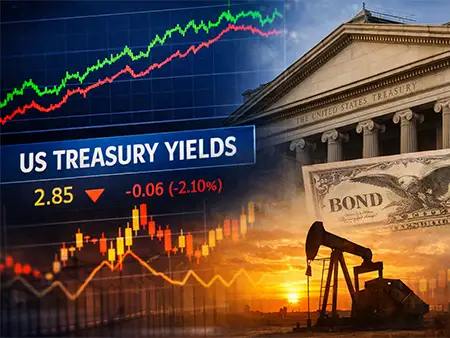
Traders are moving into safe-haven currencies including the US dollar and Japanese yen as geopolitical tensions push markets into a more defensive stance.

Currency markets have shifted into a more defensive posture as traders move funds into traditional safe-haven currencies following escalating geopolitical tensions in the Gulf. The US dollar and Japanese yen have both attracted demand in recent sessions as investors reassess risk across global markets. Periods of geopolitical uncertainty often trigger a move toward currencies seen as stable and liquid, particularly when conflict risks threaten energy supply routes and economic stability.
The shift in sentiment has been noticeable across major currency pairs, with traders reducing exposure to risk-sensitive assets and seeking shelter in safer alternatives.

Safe Havens Back in Focus
The US dollar tends to strengthen during periods of global uncertainty because of its role as the world’s primary reserve currency and a key source of market liquidity.
At the same time, the Japanese yen has also benefited from renewed safe-haven demand. Investors frequently turn to the yen when volatility rises, partly due to Japan’s large net foreign asset position and the currency’s long-standing reputation as a defensive holding.
Together, the two currencies have gained ground against several risk-sensitive peers as traders reposition portfolios amid the evolving geopolitical situation. Movements in the dollar and yen are closely watched by traders using regulated multi-asset forex brokers to access global currency markets.
Pressure on Risk-Sensitive Currencies
Whilst safe haven currencies have strengthened, those more closely tied to global growth and commodity demand have shown signs of weakness. Emerging market currencies have been particularly sensitive to shifts in investor sentiment. When geopolitical risks rise, traders often reduce exposure to these markets, which can lead to sharper swings in exchange rates.
Commodity-linked currencies have also experienced periods of volatility as markets balance rising energy prices with broader concerns about global economic stability. The move into defensive currencies reflects a wider shift across financial markets, with investors responding to rising geopolitical tensions and higher oil prices following the escalation in the Gulf.
Markets Adjust to a Risk-Off Mood
The move into safe-haven currencies mirrors a broader shift in global financial markets. Gold has attracted renewed attention from investors seeking protection against uncertainty, whilst equity markets have traded more cautiously as traders monitor developments in the Middle East and the potential implications for energy supply.
Currency markets often react quickly during geopolitical shocks, reflecting both changes in risk appetite and expectations around global economic stability.
What Traders Are Watching
At this time, market direction remains closely tied to developments in the Gulf region. Traders are watching for signs that tensions could escalate further or begin to stabilise.
Movements in oil prices, inflation expectations and central bank policy signals will also play an important role in shaping currency trends in the weeks ahead. In the meantime, the increased demand for the dollar and yen highlights how quickly global markets can shift into defensive mode when geopolitical risks rise.
Rising energy costs have also revived debate about inflation and whether central banks may delay interest rate cuts, an issue explored further in our analysis of how the oil price surge is complicating the outlook for central banks.
For more updates on global financial markets and geopolitical developments, visit our Market News section.