Oil prices have risen sharply after Iran claimed it had closed the Strait of Hormuz, reviving inflation concerns and putting pressure on global markets.

Crude prices have risen sharply after Tehran claimed it had closed the vital Gulf shipping route, reviving inflation fears and pressure on global markets.
Oil prices jumped on Monday after Iran claimed it had closed the Strait of Hormuz, escalating a conflict that has already unsettled energy markets, currencies and global equities. Brent crude rose by more than 4% to trade near $79 a barrel, and parallel, US crude also climbed sharply. The move followed a weekend of renewed US-Iran hostilities and immediately shifted attention back to one of the world’s most important energy chokepoints.
The market reaction was broad. Global shares weakened, US stock futures fell, the dollar strengthened against most major currencies and bond yields moved higher as investors weighed the risk that higher oil prices could complicate the inflation outlook.
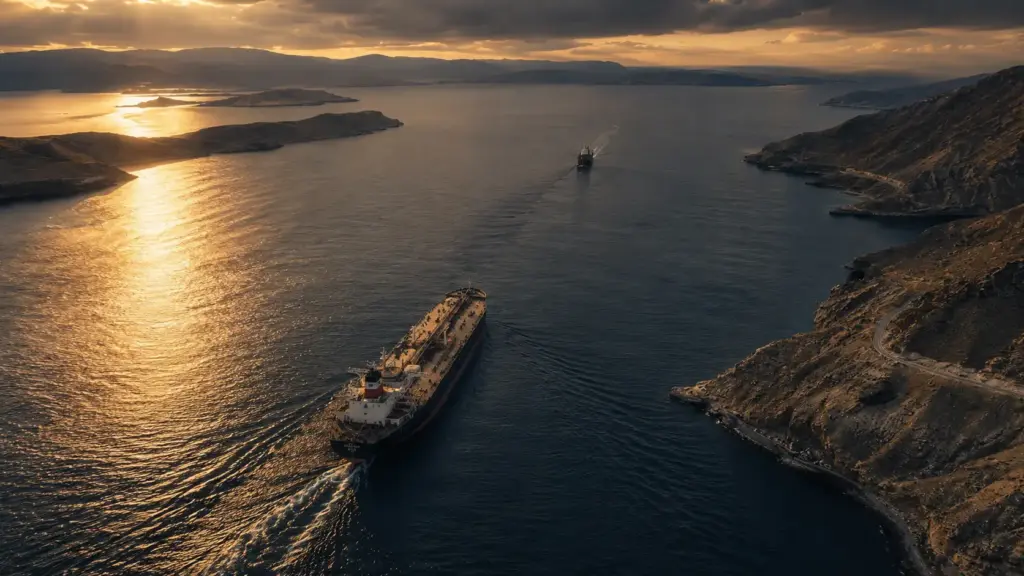
Oil rises after Hormuz claim
The immediate concern is whether Iran’s claim translates into a real disruption to shipping. The Strait of Hormuz is narrow, strategically sensitive and essential to global energy flows. Even before any confirmed full closure, the suggestion that traffic could be blocked or threatened is enough to lift risk premiums in crude markets.
That is essentially what happened on Monday. Oil traders moved quickly to price in a higher chance of supply disruption, especially after recent attempts to stabilise the situation had started to reduce some of the pressure in energy markets.
The latest escalation follows last week’s renewed focus on Gulf shipping risk, when FX Trust Score reported that Hormuz risk returned to oil markets after fresh attacks on commercial vessels revived concern over energy supply routes.
Why the Hormuz Strait is important
The Strait of Hormuz is one of the most closely watched routes in the global oil market because a large share of Gulf energy exports passes through it.
A full and sustained closure would be a much larger event than the market has priced so far. It could potentially affect crude oil, liquefied natural gas, shipping insurance, freight costs and the confidence of buyers relying on regular Gulf supply.
For now, markets are dealing with uncertainty rather than a confirmed long-term interruption. Oil prices can rise sharply on the threat of disruption, but the next stage depends on whether tankers continue moving, whether insurance costs rise and whether governments confirm that shipping routes remain open. It becomes a question of whether global energy markets can still rely on the same supply routes during a period of military escalation.
Dollar strengthens as stocks fall
The move in oil spilled quickly into other markets. The dollar strengthened as investors reassessed inflation and interest-rate expectations. Higher oil prices can make it harder for central banks to declare victory over inflation, particularly if energy costs feed into transport, production and consumer prices.
Global stock markets reacted more cautiously. Asian equities fell, US futures weakened and semiconductor shares came under pressure, showing that investors were not only looking at oil supply but also at the wider impact on risk appetite.
This does not mean markets are assuming a full energy shock. The reaction is more measured than it would be in a confirmed, prolonged closure. What is clear is that higher oil prices are once again making investors think about inflation, central-bank policy and the durability of recent equity-market gains.
Gold sends a mixed signal
Gold’s reaction has been less straightforward. In periods of geopolitical stress, gold is often expected to benefit from safe-haven demand. This time, the move has been complicated by the rise in the dollar and higher bond yields, both of which can weigh on gold. Consequently, it makes the current market reaction more interesting. Investors are not simply moving into every traditional safe haven. They are weighing geopolitical fear against the possibility that higher energy prices could keep monetary policy tighter for longer.
For gold, the next move may depend less on the headline risk itself and more on whether oil prices push yields and the dollar higher. If the dollar continues to strengthen, gold may struggle to rally even whilst geopolitical uncertainty remains elevated.
Trading conditions may become less predictable
The practical risk for traders and investors is that oil-linked headlines can change pricing conditions very quickly.
Oil, gold, major currency pairs and equity indices can all react within minutes to official statements, shipping reports or signs of further military action. During periods like this, spreads can widen quickly during volatility, especially in leveraged products and during thinner trading windows.
That does not mean traders should assume every headline will produce a lasting move. It does mean that markets can become more sensitive to confirmation, denial or escalation than they would be during calmer periods.
The key issue is not only direction. It is speed. A market that looks stable before an official statement can move sharply once traders reassess whether the Strait of Hormuz is open, partly disrupted or at risk of further attacks.
What investors should watch next
The next stage depends on whether Iran’s claim is reflected in actual shipping conditions. Markets will be watching tanker movements, official statements from Washington, Tehran and Gulf states, and any confirmation from maritime authorities about transit through the strait. Brent crude levels will remain central, but the dollar, bond yields and equity futures may show how far the shock is spreading beyond energy.
For now, oil has moved back to the centre of global market risk. A sustained disruption in the Strait of Hormuz would be a much more serious development, but even the claim of closure has been enough to remind investors how quickly geopolitical risk can return to financial markets.