Oil prices reversed sharply after Brent briefly moved above $90 a barrel, as progress in Oman-Iran talks over Strait of Hormuz shipping changed the market’s assessment of supply risk.

Brent crude retreated after briefly moving above $90 a barrel as signs of progress in Oman-Iran talks over Strait of Hormuz shipping forced oil markets to reassess how much geopolitical risk should remain priced into crude.
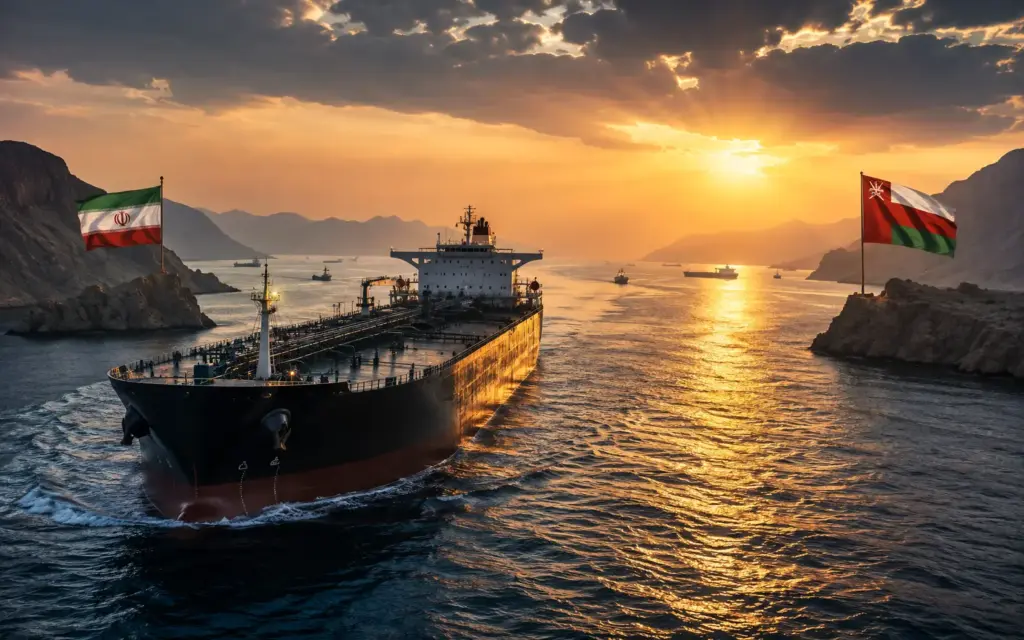
Brent retreats after briefly breaking above $90
Oil prices swung sharply on Tuesday, 11 August 2026, as optimism and concern over the Strait of Hormuz competed for control of the market. Brent crude initially climbed above $90 a barrel, reaching its highest level in more than a week, while West Texas Intermediate rose above $84. The advance extended Monday’s strong gains, when both benchmarks rose by more than 5% as renewed tensions surrounding Iran and the United States reduced expectations that disruption to one of the world’s most important energy routes would be resolved quickly.
The rally did not last. Brent subsequently retreated into the high-$80s and WTI moved back towards $82 after fresh diplomatic signals suggested that negotiations over shipping through Hormuz were progressing. Qatar said discussions between Oman and Iran had reached an advanced stage, while Pakistan also expressed optimism that a wider agreement involving Iran and the United States could be moving closer. Those comments were enough to remove part of the geopolitical premium that had pushed Brent through $90 earlier in the session, even though there was still no evidence that normal shipping conditions had been restored.
The reversal illustrates the unusually sensitive position of the oil market. Prices are no longer responding simply to whether tensions in the Middle East are rising or falling; they are reacting to changing expectations about when those developments might translate into materially greater volumes of oil moving through the region.
Hormuz talks progress while actual oil flows remain constrained
The Strait of Hormuz remains at the centre of that uncertainty. Before the conflict with Iran began in February, roughly one fifth of global oil supplies passed through the narrow waterway connecting the Gulf with the Arabian Sea. Months of disruption have transformed what was normally one of the world’s busiest energy corridors into a major constraint on international crude and refined-product flows.
Oman has been working with Iran and other parties on arrangements intended to restore safer and more consistent passage through the strait. The latest indications that those negotiations are advancing are important because even a partial normalisation of shipping could allow more crude to reach international markets and reduce some of the supply risk currently embedded in prices. However, substantial commercial and political obstacles remain, ranging from sanctions and insurance restrictions to disagreements over how vessels would be permitted to transit the waterway.
That gap between diplomatic progress and physical reality is crucial. Shipping traffic through Hormuz fell to just six vessels on Monday, compared with a recent 10-day average of around 11 and dramatically below pre-conflict norms. Crude oil and refined-product net exports through the strait averaged approximately 3 million barrels per day in the week ending 7 August, down from around 4.4 million barrels per day the week before. In other words, the market may be responding rapidly to signs of an eventual agreement, but the energy actually moving through the strait remains heavily constrained.
FXTrustScore has followed this relationship throughout the recent volatility. In July, renewed shipping risk near the Strait of Hormuz pushed oil prices higher as concerns surrounding commercial vessels raised doubts over the security of Gulf energy flows. Tuesday’s move demonstrates the other side of that relationship: when the probability of safer passage improves, even tentatively, part of the geopolitical premium can disappear from crude almost immediately.
Supply risks extend beyond the Strait of Hormuz
An agreement over Hormuz would remove one of the largest immediate threats facing energy markets, but it would not eliminate the broader supply pressures supporting oil. Disruption is occurring across several regions simultaneously, limiting the extent to which markets can treat progress in one area as a complete resolution of the current supply problem.
Ukraine has continued targeting Russian energy infrastructure, including a strike on the Orsk refinery, adding uncertainty around supplies from one of the world’s largest oil-producing countries. Libya is facing renewed instability around Zawiya, where violence has raised concerns over energy operations, while shipping risks have also intensified around the Bab el-Mandeb strait at the southern entrance to the Red Sea. A suspected Houthi attack on a commercial vessel this week provided another reminder that maritime security concerns extend well beyond Hormuz.
The cumulative effect has been significant. Brent remains substantially higher in 2026 despite its retreat from Tuesday’s intraday peak, reflecting months in which geopolitical conflict, damaged infrastructure and restricted shipping routes have repeatedly tightened the outlook for global energy supply. That backdrop helps explain why oil can fall several dollars when encouraging diplomatic headlines emerge without necessarily signalling the beginning of a sustained decline.
FXTrustScore previously examined how crude prices fell after renewed US-Iran talks reduced immediate supply concerns, showing how quickly expectations of de-escalation can affect the market. The current episode reinforces the same principle, but against a physical supply environment that remains unusually constrained.
Oil volatility feeds directly into the inflation outlook
The importance of these moves extends beyond commodity markets. Oil remains one of the most direct channels through which geopolitical disruption can reach the wider global economy, influencing transport costs, industrial production, consumer prices and ultimately expectations for monetary policy.
That connection is particularly important now. Financial markets are already reassessing the path of interest rates after weaker US employment figures reduced expectations for further Federal Reserve tightening. Persistently elevated energy prices could complicate that outlook by keeping headline inflation under pressure, while a sustained fall in crude following a meaningful reopening of Hormuz could remove one source of inflationary risk.
Tuesday’s intraday reversal offered a glimpse of how quickly those expectations can change. When Brent moved above $90, the market was assigning greater weight to the possibility of prolonged disruption. As reports of diplomatic progress emerged, crude retreated and some of that concern eased. Similar moves can ripple through bond yields, currencies and equity markets because the future path of energy prices influences assumptions about inflation and interest rates well beyond the oil market itself.
Shipping data may now matter more than diplomatic promises
The next phase of the story is therefore likely to depend less on whether negotiations are described as encouraging and more on whether they produce observable changes in the movement of energy through the Gulf.
If tanker traffic through Hormuz begins to increase consistently and export volumes recover towards more normal levels, markets would have tangible evidence that one of the most serious constraints on global oil supply is beginning to ease. That could place further downward pressure on the geopolitical premium currently embedded in Brent and WTI.
If negotiations stall, however, or shipping remains restricted despite optimistic statements, Tuesday’s retreat could prove temporary. With physical flows still depressed and several other sources of global energy disruption unresolved, crude remains vulnerable to sharp moves in either direction.
For now, Brent’s brief break above $90 followed by its rapid retreat captures the central tension facing the oil market: diplomacy may be advancing, but the return of normal energy flows through the Strait of Hormuz has yet to follow.